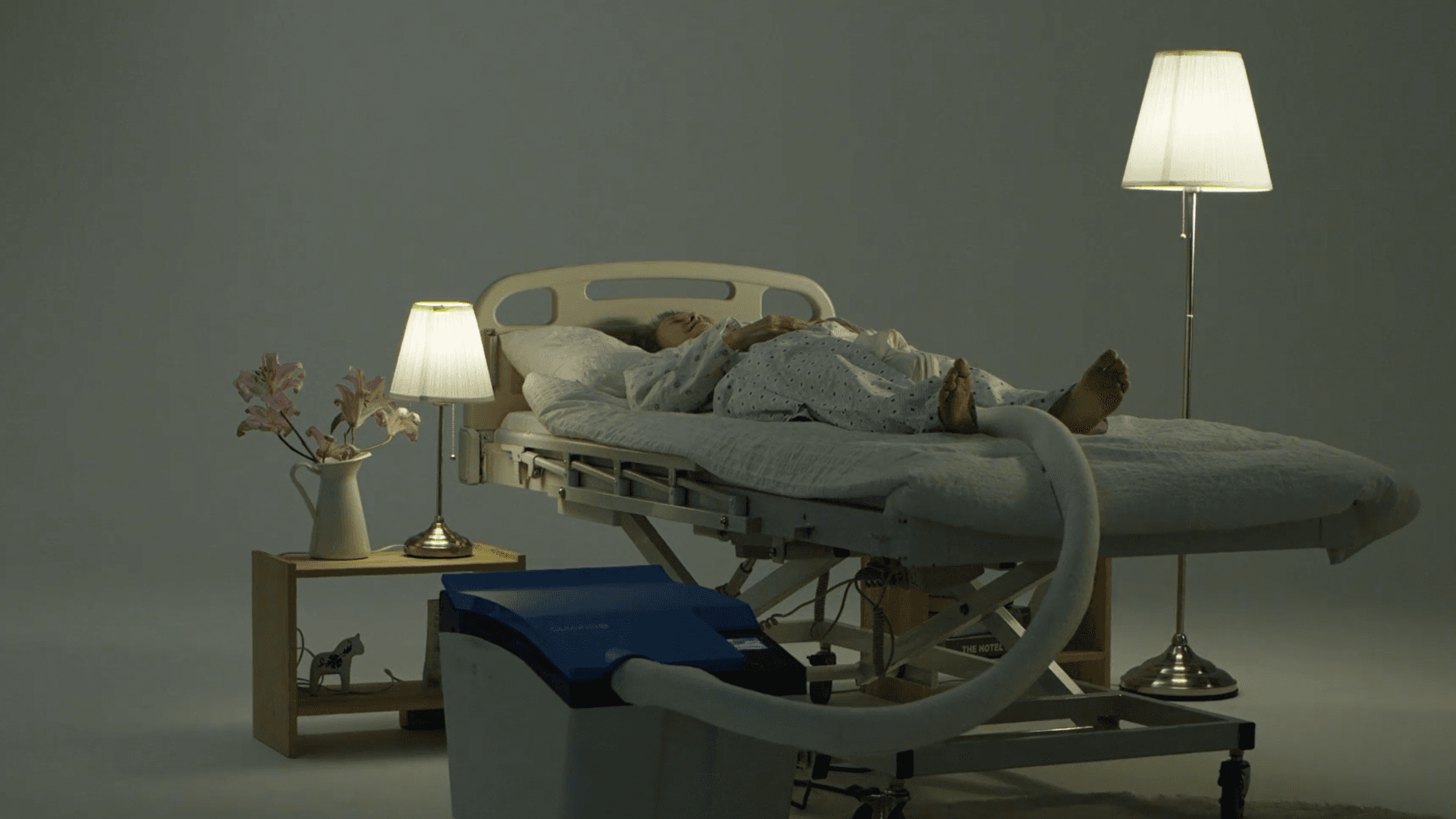
Care experiences from different settings.
Hear directly from a family caregiver and a facility management perspective.
A family’s experience of introducing CareBidet at home
“It has reduced the physical strain of toileting care while helping us protect his privacy and dignity.”
A facility management perspective from a supported environment
“It gave our team more time to be with residents and focus on their wellbeing.”
Insights from Clinical Practice
I Strongly believe that the CareBidet is really helpful to manage pressure ulcers and it is lifesaving. I am recommending the CareBidet as a solution to not only prevent pressure injuries but other infections and diseases that a common with patients that are bed-bound or severely mobility challenged.
Explore experiences by care setting.
Choose a case type below to view related experiences together.
Home care cases
Experiences shared by family caregivers and home care professionals.
“The client appeared more comfortable and relaxed during hygiene care. The device helped maintain dignity and reduced discomfort compared with manual wiping.”
“CareBidet has reduced the physical burden of care and helped lower the risks of infection and injury.”
“This machine gave our father greater dignity and brought much-needed peace of mind to our family during palliative care.”
Night-time care cases
Experiences focused on overnight routines and reduced disruption through the night.
“Night-time care became much less intrusive. There were fewer occasions when I needed to switch on the lights, reposition him and begin a full personal-care routine, so the room remained quieter and his sleep was disturbed less often.”
Supported setting cases
Experiences from aged care and supported care environments.
“Care routines that once took hours were reduced to around 15 minutes a day, giving valuable time back to our team.”
“The automated hygiene cycle helped streamline our workflow during shifts. Staff had more time to focus on residents’ comfort, hydration and supervision, while spending less time on manual hygiene tasks.”
“The CareBidet reduced the need for frequent rolling and manual handling, making hygiene care safer and more comfortable for both resident and staff.”
Professional perspectives
Views shared by professionals working across assistive technology and care services.
“I believe CareBidet has strong potential to support higher standards of care across the Australian aged care and disability sectors.”
International cases
CareBidet experiences shared from care settings outside Australia. Select Read more for the full case story.
Hospital hygiene support with scheduled warm air drying
“The patient seemed to stay cleaner and fresher for longer after washing and drying were used together.”
In the UAE hospital case, the caregiver was looking at a very practical hygiene problem. When a patient remains in paper diapers for long periods, moisture, odour and skin irritation can become part of the daily care concern. What stood out in this account was the way CareBidet washed promptly after toileting and then used air drying to help the patient feel cleaner.
“The patient seemed to stay cleaner and fresher for longer after washing and drying were used together.”
The caregiver paid particular attention to Autodry. Warm air drying could be set to run again during the day, including at intervals such as every one to two hours depending on the care setting. In that hospital environment, this was viewed as a practical way to help keep the groin area dry and support everyday hygiene where infection control is already part of the care routine.
The account also described less lingering odour after toileting events. The caregiver connected cleaner and drier skin with a fresher care environment and a lower chance of ongoing irritation. This should be read as one caregiver’s observation in a hospital setting, not as a result that can be assumed for every user.
A home care routine that felt easier to accept
“It still felt like part of our normal care routine, but the night did not revolve around repeated changes in the same way.”
In this USA home care case, the family needed a routine that would not feel too unfamiliar. The caregiver was already used to continence care and paper diapers, so the first concern was whether CareBidet could be introduced without making the night feel more complicated.
“It still felt like part of our normal care routine, but the night did not revolve around repeated changes in the same way.”
The wearing method felt close enough to the care routine they already understood, which made the change easier to explain at home. The family still needed time to check the fit, understand the sounds of the system and become comfortable with the routine. Once that adjustment period passed, the device became part of the way they managed care through the night.
The difference was felt most strongly overnight. Instead of waking again and again to check, clean, change and reposition, the caregiver could allow the cleaning and drying cycle to carry more of that routine. They still checked comfort and safety, but the care felt less disruptive. The value was described as a way to make night care feel calmer, cleaner and less physically demanding.
Overnight home care with fewer repeated interruptions
“The overnight routine became easier because the same pattern of waking for diaper changes was no longer needed.”
In the Japan home care story, CareBidet was used during the day and through the night, especially from after dinner until breakfast the next morning. The caregiver said the way it was worn felt manageable because it was close to the familiar routine of using paper diapers. That made the first step of adoption feel practical rather than unfamiliar.
“The overnight routine became easier because the same pattern of waking for diaper changes was no longer needed.”
Before using the device, the caregiver described waking roughly every two hours to change diapers. With the new routine, that same level of interruption was no longer required, which allowed the caregiver to sleep better. The story does not present this as an instant change. It describes a home routine that became more manageable once the caregiver understood how the device fitted into daily and overnight care.
Comfort was checked in a very ordinary way by watching the patient’s facial expression. The caregiver usually looked for frowning as a sign of pressure or discomfort and reported that the patient appeared comfortable during use. The device also helped the caregiver notice the person’s night time toileting pattern more clearly, including one night when urination was unusually frequent.
A closer look at overnight care.
A family perspective on the adjustment period and how CareBidet became part of an overnight routine.
CareBidet within a routine that also included overnight support
After a short period of adjustment, CareBidet became part of the family’s overnight routine, helping maintain cleanliness with less disruption through the night.
“The nights became much easier once I knew he was being kept clean and comfortable.”
Could CareBidet be right for your care setting?
Explore how it could fit into your care routine.